
Our approach
How we work
-
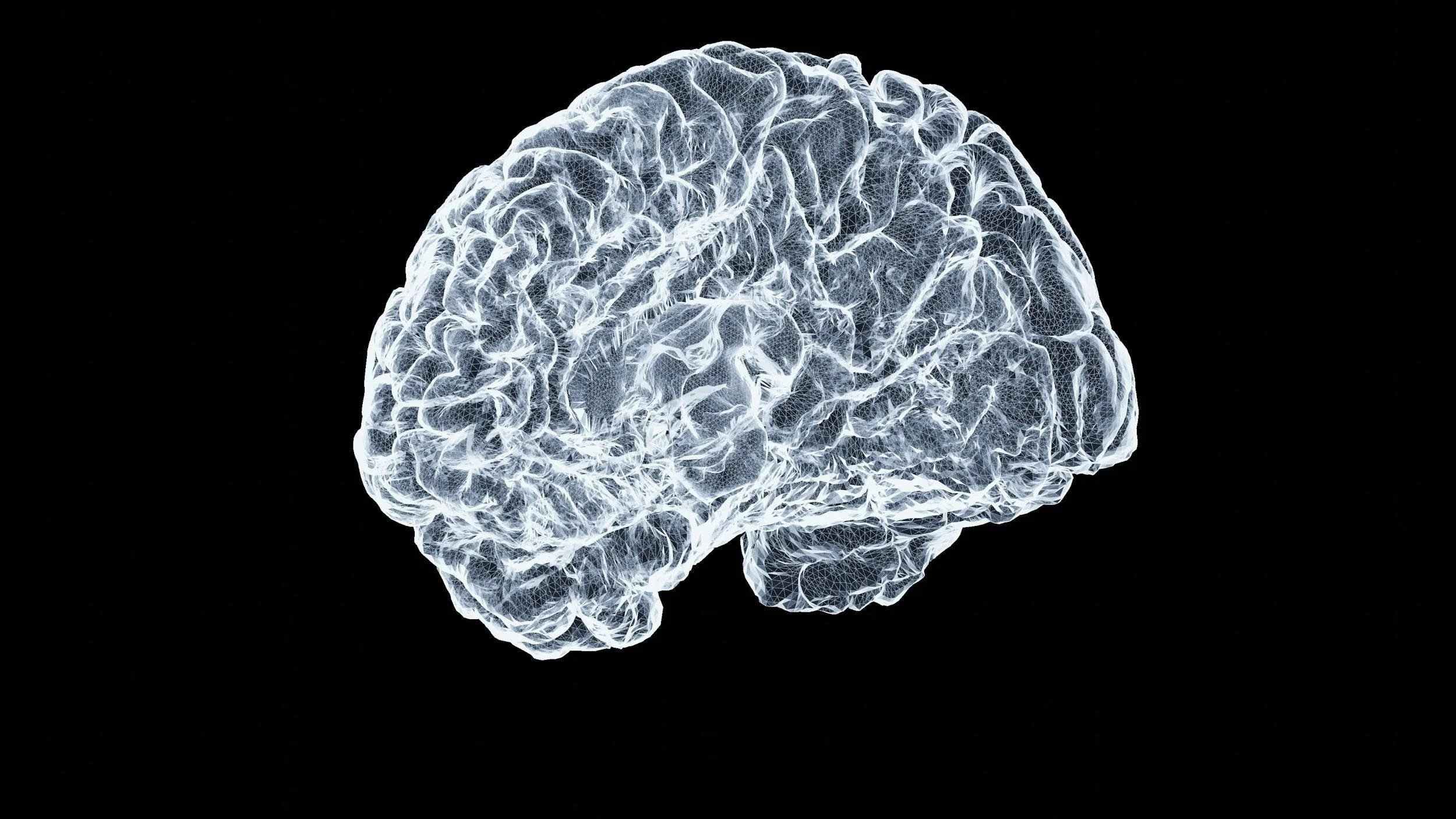
We start with the brain, not the bevhaviour
Every behaviour is information. Rather than managing what we see on the surface, we look beneath it to the developmental stage where something may not have been completed properly.
-

We follow the sequence as nature intended
The brain develops in a specific order, from the ground up. We assess where that sequence may have a gap - often somewhere in the first three years of life - and we work to fill it in, using gentle, specific movement and reflex-based input.
-
We believe nothing is broken
Instead, we see brains that didn't get everything they needed, and nervous systems that have been working incredibly hard to cope without it.
An incomplete system is changeable. Given the right input, the brain has a remarkable capacity to grow.
-
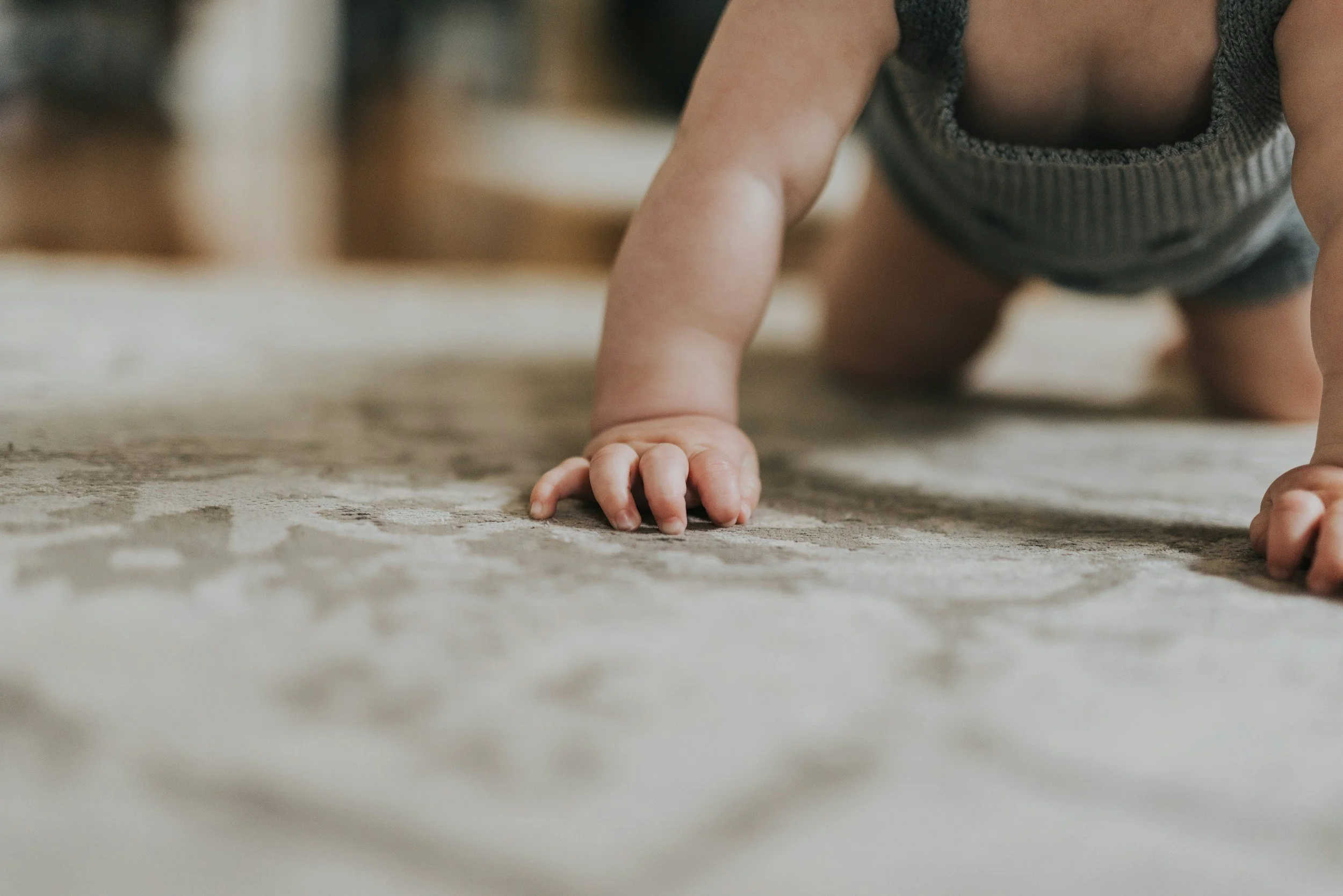
Movement is the cornerstone
Movement creates the optimal environment for neural plasticity (the ability for the brain to change). Movement, timing, and balance help the brain create new neural connections. This helps to improve the vestibular, tactile & auditory systems, providing positive gains in attention, coordination, proprioception, language, learning, and sensory integration.
The science: why it works
The motor cortex isn’t just for movement
Most people think of movement and learning as separate things. The brain handles things like reading, attention, and emotions. The body does the physical stuff. Except that isn't how it works.
Over the last two decades, neuroscience has been building a picture that changes how we should understand children who struggle with attention, language, social connection, and emotional regulation. And that picture keeps pointing back to the same place: the motor system.
The motor cortex isn't just for movement
In April 2026, a landmark trial published in The BMJ, one of the world's most respected medical journals, found that stimulating the brain's primary motor cortex in children with autism led to significant improvements in social communication and language.
Here’s what is incredibly exciting about this study: the improvements weren't linked to the language centre, or the social brain, or the emotional processing areas we might expect. They were linked to the motor cortex - the part of the brain responsible for movement.
The practitioners that I have trained with have understood this for years, and some for decades, building their entire clinical approach around the profound connection between movement and brain development. It is extraordinary to watch the science finally arrive at the same conclusions and shows how fundamental movement-based approaches are in the trajectory of children, particularly those with neurodevelopmental challenges.
Motor development and language develop together — because they share the same brain
This isn't just one study. Functional neuroimaging research has shown that motor and language functions are processed in overlapping regions of the brain - particularly Broca's area, the inferior frontal gyrus, and the mirror neuron system, which are common to both movement and language processes.
To put more simply: the circuits that build movement and the circuits that build language are neighbours in the brain. They develop together, they support each other, and when one is disrupted, it frequently pulls the other off course.
Research has shown that advances in motor performance are linked to concurrent prelinguistic and social development. In other words, children who are developing well motorically tend to develop well socially and communicatively at the same time (because these systems are intertwined!)
“Try harder” doesn’t work
Motor skill proficiency has been shown to make meaningful contributions to children's cognitive and social development in early childhood. Motor skills are a foundation for everything else, and foundations can't be will-powered into place; they have to be built.
If the motor system hasn't provided a stable enough base, and a child is told to focus, sit still, be kind, try harder, we're asking the upstairs of the house to hold steady while the foundations are still incomplete. It doesn't work; it exhausts the child and it costs them their confidence.
What this means for the children we work with
The research tells us something hopeful: if movement is the gateway to language, social connection, and regulation, then movement-based intervention is a genuine, evidence-informed pathway back in.
This is what sits underneath the work we do. It's a message to the brain: here is the input you needed. Here is another chance to build what wasn't built the first time.
The brain, given the right input, at the right level, repeated consistently, will respond.
We believe
-
Crawling, creeping, rolling, and the primitive reflexes that drive them aren't just baby milestones. They are the raw material the brain uses to build attention, emotion, language, and connection. When those reflexes don't integrate in the way nature intended, the foundation underneath everything else stays incomplete. We take movement seriously because the brain does.
-
We believe every child arrives with the capacity for growth already inside them. Our job is to remove the obstacles in the way of where they're already trying to go.
-
We work with behaviours, challenges, and goals - not just diagnoses. Every child’s experience matters, whether they’ve been formally assessed or not.
-
The work is an investment - in time, in consistency, in showing up even on the hard days. But leaving gaps unfilled doesn't make them smaller.
We're not interested in quick fixes that paper over cracks. We're interested in the kind of deep, lasting change that frees a child from compensating, masking, and working twice as hard just to keep up. That takes commitment from everyone involved - and we think it's worth it.