
Where disconnected becomes integrated
Neurointegration helps children establish the developmental foundations that everything else is built on. Through structured movement, we go back to where the gap in brain development began and give the brain what it needs to thrive.
The brain is built to grow. Sometimes it just needs the right conditions to get there.
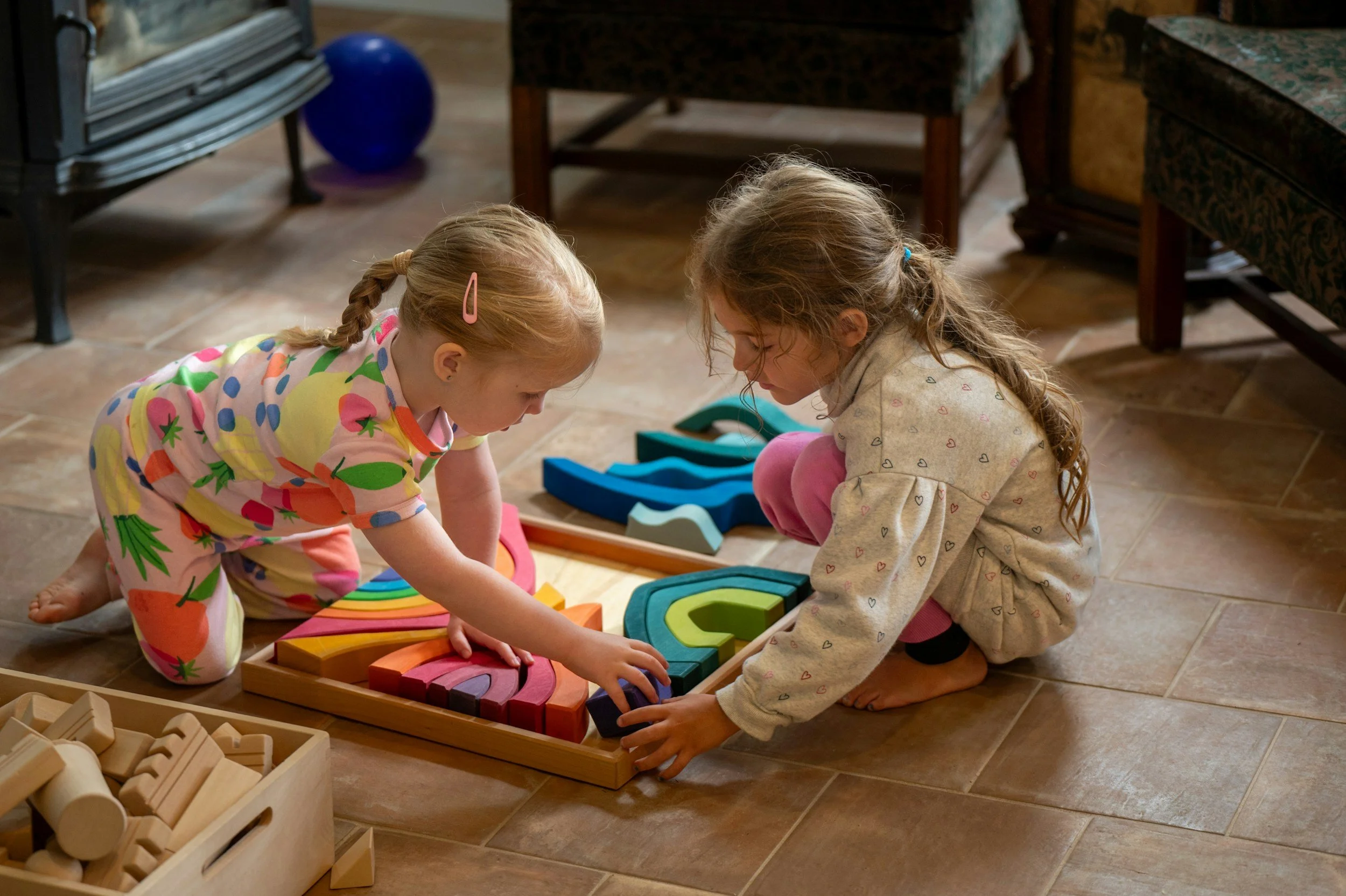
Creating the conditions for success
Most of us were taught to treat behaviour: practice the spelling, manage the impulsivity, and try another strategy when the last one failed.
But behaviour is rarely the starting point; it's the output. Underneath every “defiant”, "unfocused," or "won't sit still" is a nervous system trying to cope with too many demands.
Instead of starting with a label, we start with the gap.
Behind every child who is struggling, there is a moment in their early development where the brain didn't get everything it needed. We find that point, and we give the brain what it missed so it can finally move forward.

Who we work with
Families:
Parents and carers who sense there's more going on beneath the surface than a diagnosis explains, and want a practical, hopeful path forward.
Schools & educators:
Staff who want to understand the children who challenge them most, through a neurodevelopmental lens

The motor cortex isn't just for movement
In April 2026, a landmark trial published in The BMJ, one of the world's most respected medical journals, found that stimulating the brain's primary motor cortex in children with autism led to significant improvements in social communication and language.
Here’s what is incredibly exciting about this study: the improvements weren't linked to the language centre, or the social brain, or the emotional processing areas we might expect. They were linked to the motor cortex - the part of the brain responsible for movement.
The practitioners I have trained with have understood this for years, and some for decades, building their entire clinical approach around the profound connection between movement and brain development. It is extraordinary to watch the science arrive at the same conclusions, and it has only deepened my conviction that this work matters!
Why movement?
Movement isn't an add-on to brain development - it is brain development. It’s how the brain organises itself!
The earliest stages of life (like rolling, crawling, and creeping) aren't just physical milestones. They're how the nervous system builds the wiring for everything that comes later: attention, reading, emotional regulation, relationships.
When a stage gets missed, rushed, or interrupted, the foundation underneath can stay incomplete.
The good news is, the brain doesn't need to be lectured, drilled, or disciplined into catching up. It needs the right input, in the right sequence, to finish the job it started.